The Vault
10 min · Maison memorandum
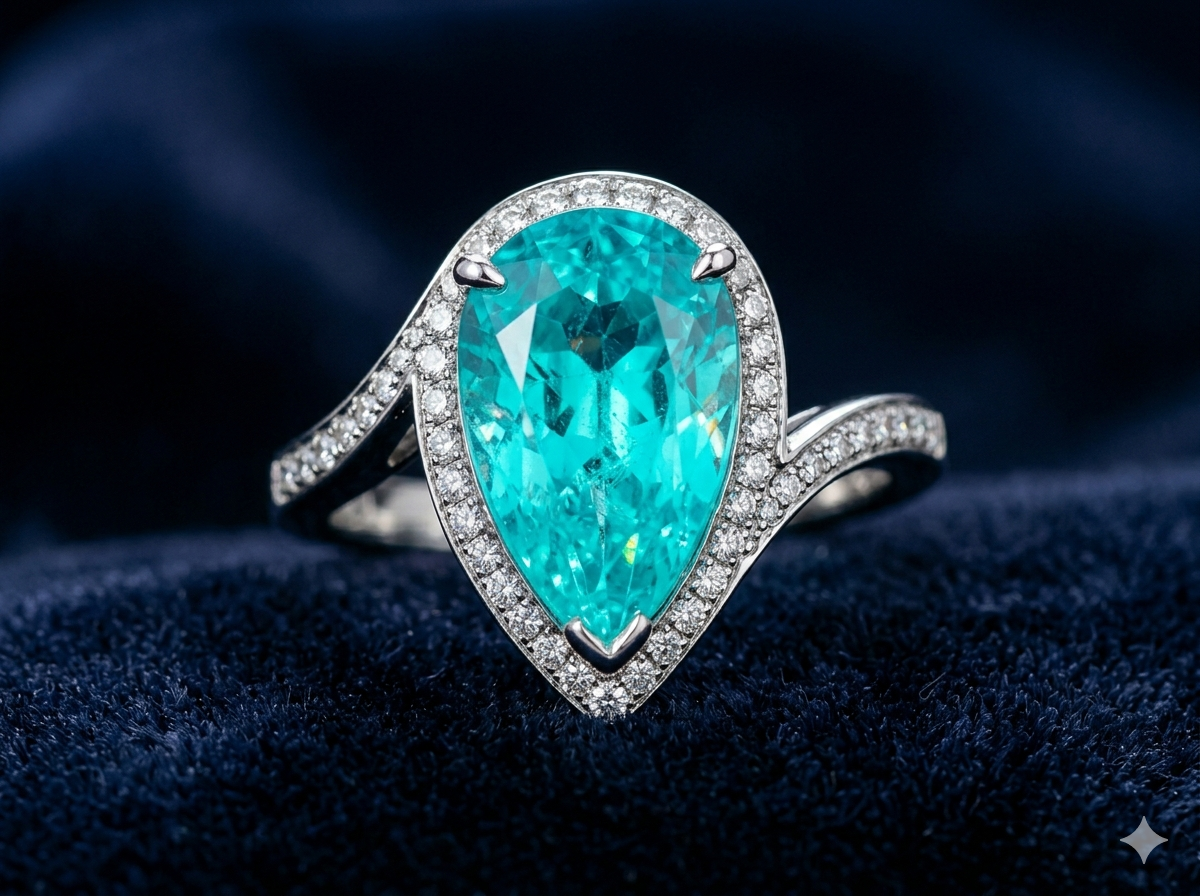
Mirrors the archive entry for Paraiba Tourmaline — Copper-induced neon, electric rarity.
Color mechanism
Copper (and sometimes manganese) in tourmaline structure produces the neon blue–green hues collectors describe as ‘electric.’ The visual effect is highly tone-sensitive: too much darkness kills the open color; too little saturation reads pastel rather than vivid. Laboratories may confirm copper-related absorption features; that confirmation is material to price even when geographic origin remains debated.
Brazilian versus African deposits
Historic Brazilian material set the aesthetic reference, but African pegmatites can yield Paraíba-type goods when chemistry and appearance align with trade definitions. Origin opinions vary by inclusion suites and trace-element profiles. We treat geographic lines as conditional and pair them with copper commentary and face-up behavior under multiple light temperatures.
Clarity expectations and cutting
Clean crystals in strong neon hues are scarcer than many fancy colors at equivalent carat thresholds. Cutting often preserves weight while managing open color windows; heavy windows or poor orientation waste copper’s advantage. Loupe work focuses on treatment indicators and stability risks rather than chasing diamond-like clarity norms.
Allocation discipline
Collector demand is global, but supply is boutique. We prefer files where copper-related laboratory language, stable enhancement status, and cutting intent align. When origin and copper commentary diverge between updates, the underwriting task is to decide whether the stone still clears the bar for long holding periods.